
Pool Repair Services in Leander and NW Austin
Pool repair in Leander covers pumps, filters, heaters, lights, and salt systems. We diagnose the actual fault instead of guessing, explain it in plain language, and tell you exactly what the fix involves and what it costs before any work starts.
Request A Free Quote
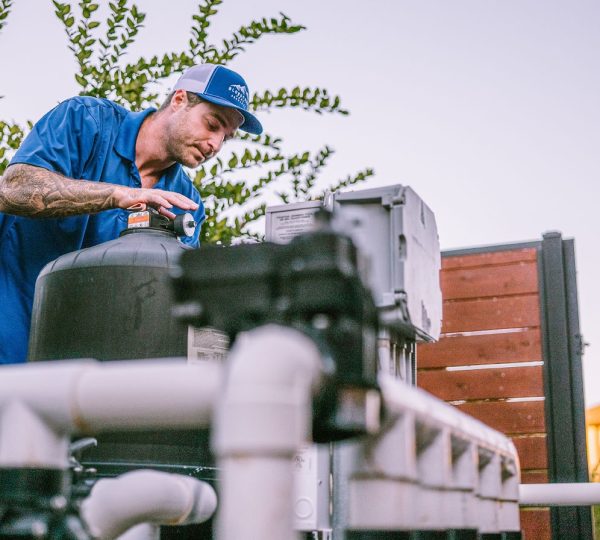
Pool repair without the guesswork
Something isn’t working. The pump is loud, the water won’t clear, the heater won’t fire, or the light has gone dark. Whatever it is, the first job is figuring out what’s actually wrong, not selling you a part. If you’re dealing with any of that, request a free quote, and we’ll take a look.
We diagnose the problem, explain it in plain language, and tell you what it will take to fix. If a repair can wait a season, we’ll say so. If a part is near the end of its life and replacing it now saves you a bigger bill later, we’ll say that too, and you get to decide.
We’re based in Leander, we’re fully insured, and we repair pool equipment across the northwest Austin corridor.
What we repair
Pool equipment is a system, and problems in one part usually show up somewhere else. That’s why we look at the whole thing rather than just the piece you called about.
Pumps. Noisy, leaking, losing prime, or dead. Our pool pump repair covers motors, seals, impellers, and full replacement when it’s the honest answer.
Filters. Cracked housings, failing internals, and filters that just can’t keep up. See pool filter repair for cartridge, sand, and DE systems.
Heaters. Not firing, cycling off, or throwing errors. Gas and electric.
Salt systems. Cells that stopped producing, usually from scale. Often it’s a cleaning rather than a replacement, and we’ll tell you which.
Pool lights. Failed fixtures and LED replacement for safe night swimming.
Circulation and plumbing. Valves, unions, and the connections that quietly cost you flow.
Leak repair. Once a leak is identified, we repair it, whether that is a seal on the pad, a plumbing joint, or the pool structure itself.
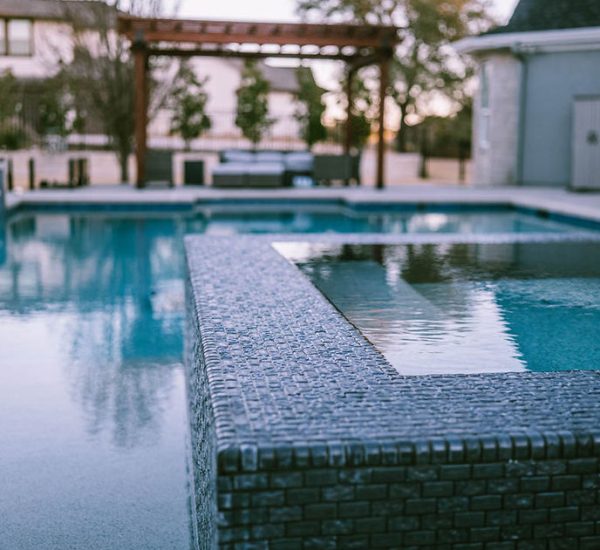
How we diagnose a problem
Most pool repair calls start with a symptom, not a cause, and the two are often far apart. Cloudy water might be a filter, or it might be a pump that isn’t moving enough water to use the filter properly. A loud pump might have a bad bearing, or it might be starving because a basket is packed.
So we start with the system. We check the flow, look at the pressure, listen to the equipment, and test the water, because the chemistry often tells us what the hardware has been doing. Then we find the actual fault instead of replacing the loudest part.
That approach means we sometimes tell people their expensive-sounding problem is actually a cheap one.
Leak repair, and what we do not do
We repair leaks. Equipment leaks on the pad, plumbing joints, and structural leaks in the pool itself. Once a leak is identified, fixing it is work we do.
What we don’t do is hunt for hidden leaks. If your pool is losing water and nobody knows where, finding it is a specialist job involving pressure testing and listening gear, and we’d rather point you to someone equipped for it than guess. Once they’ve located it, we’re glad to repair it. Plenty of leaks aren’t a mystery, though: water pooling under the pump is usually a seal, a wet patch at the pad a union or valve, and those we handle straight away.

What Central Texas does to pool equipment
Equipment here wears in specific ways, and knowing that shortens the diagnosis.
Hard water is the big one. Our limestone geology puts calcium in everything, and it scales up salt cells, coats heater elements, and stiffens filters. A salt cell that “died” has usually just scaled over.
Heat is the other. Pumps run long hours through a long season, and equipment sitting in direct Texas sun ages faster than the manual assumes. Seals dry out, plastic gets brittle, and motors that would last a decade somewhere mild don’t here.
Regular pool maintenance catches most of this early, which is the cheapest repair there is.
Repair or replace
This is the question people actually want answered, and the honest response is that it depends on three things: what failed, how old the equipment is, and what the rest of the system looks like.
A failed seal on a three-year-old pump is a repair, plainly. A motor that’s burned out on a twelve-year-old pump is usually a replacement, because the next failure is already on its way and you’d be paying twice. The awkward cases sit in the middle, and that’s where an honest answer matters most.
What we won’t do is push the replacement just because it’s the bigger ticket. If a repair buys you two or three more good seasons, that’s worth knowing. And if the equipment’s too old for that, we’ll say so plainly.
Where we repair pools
We’re based in Leander and cover the whole corridor, including Cedar Park and Liberty Hill just around us.
We handle repairs up through Round Rock and Georgetown and across the Lake Travis communities too. The full list is on our areas served page.
Pool repair FAQs
How do I know if my pool pump needs repair or replacement?
It depends on the age of the pump and what failed. A bad seal or a worn bearing on a newer pump is worth repairing. An older motor that’s failing after years in the Texas sun is often better replaced, because you’ll be back in six months otherwise. We’ll tell you which situation you’re in and let you decide.
My pool water is cloudy. Is that a repair problem?
It can be. Cloudy water is often a circulation or filtration problem, which means the pump or the filter rather than the chemicals, though bad chemistry can cloud a pool too. If your water won’t clear no matter what you add to it, something in the system probably isn’t moving or straining water the way it should, and that’s worth having looked at before it gets worse.
How much does pool repair cost?
It depends entirely on what’s broken. A scaled salt cell that just needs cleaning is a completely different job from a failed pump motor or a cracked filter. We diagnose the problem first, then tell you what the repair involves and what it will cost before any work starts. You’ll never get a surprise bill from us, and you’re free to decide once you know the number.
How fast can you come out?
We’ll get to you as quickly as our schedule allows, and we’ll be honest about the timing up front rather than promising a slot we can’t actually hold. If your pool is in a state where waiting will make it worse, a failed pump in July, say, tell us when you call and we’ll factor that urgency into how we prioritize the visit.
Do you repair saltwater pool systems?
Yes, salt cells, chlorinators, and the equipment around them. Most salt cell problems in this area come down to scale from our hard Central Texas water, and a cell that’s stopped producing can very often be cleaned and brought back rather than replaced outright. We always check whether a cleaning will fix it before recommending you spend on a brand-new cell.
Will you find problems you did not come out for?
We’ll tell you what we genuinely see, but we won’t manufacture work to run up the bill. If the pump is fine and the heater is fine, we’ll say exactly that and leave them alone. A pool company that finds a brand-new problem on every single visit isn’t being thorough; it’s being expensive, and that isn’t how we’ve built our name here since 2023.
Do you repair pool leaks?
Yes, once the leak has been located. We repair equipment leaks on the pad, plumbing joints, and structural leaks in the pool itself. What we do not do is hunt for hidden leaks. If your pool is losing water and nobody knows where from, you want a specialist to find it first, and we will happily handle the repair once they have.
Can you repair a pool you do not service?
Yes. Repair work stands on its own here; you don’t have to be on a service plan to book it. Lots of first calls are exactly this: a pump or heater quits, we fix it, and whether we ever see the pool again is up to you. Some stay on for weekly service afterward; plenty don’t, and that’s genuinely fine.
Get a free quote for pool repair.
Tell us what your pool is doing, and we’ll figure out why. No surprise bills, no invented problems.